In an era where clarity is frequently merely a moment away, the advancement of ocular care technology has revolutionized numerous lives. https://comomag.com/2021/09/30/october-movers-shakers-6/ of the trailblazing innovations in vision correction is SMILE laser eye surgery, an easy on the eyes procedure that offers new insights for those struggling with nearsightedness. With its ability to reshape the cornea and reduce dependency on glasses or contact lenses, SMILE surgery has garnered the focus of individuals looking for vision correction across the board.
Individuals looking to move from unclear vision to sharp clarity may find themselves curious about, what is SMILE eye surgery? Unlike conventional techniques, this cutting-edge method employs a no-blade technique to deliver precision and comfort. As we explore the intricacies of the SMILE procedure for myopia, the pros of this progressive surgery, and how it compares to different choices like LASIK and PRK, a clearer understanding will emerge. If you have ever wondered about the associated costs, side effects, or recovery time, you have come to the right spot to uncover the marvels of SMILE laser eye surgery.
What’s SMILE Eye Procedure?
Small Incision Lenticule Extraction eye surgery, short for SMILE, is an innovative laser vision correction procedure designed mainly to treat nearsightedness. This innovative technique enables for precise reshaping of the cornea without the requirement for a large flap, as seen in traditional LASIK. By using a ultra-fast laser, the surgeon forms a small lenticule within the cornea, which is afterwards extracted through a minuscule incision. This less invasive approach leads to quicker recovery times and reduced complications.
One of the major benefits of this surgery is its bladeless nature, removing the use of a surgical blade entirely. This feature not only improves safety but also enhances the overall patient experience. The small incision typically allows for more stability in the cornea post-surgery, which is especially beneficial for patients with busy lifestyles. With SMILE eye surgery, patients can look forward to customized care tailored to their specific vision correction needs.
As a candidate for SMILE eye surgery, individuals generally undergo a comprehensive evaluation to determine their eligibility. Elements such as the level of myopia, corneal thickness, and overall eye health are considered. For https://brad-marcus.technetbloggers.de/from-fuzzy-in-the-direction-of-radiant-smile-eye-surgical-procedure-trip who are eligible, this offers a hopeful option for achieving clearer vision without the reliance on glasses or contact lenses, making it a attractive choice in the realm of laser vision correction.
Benefits and Risks of SMILE
A major benefits of SMILE laser eye surgery is its non-invasive nature. Unlike traditional LASIK, SMILE requires the formation of a tiny lenticule inside the cornea, which is then extracted through a microscopic incision. This bladeless approach tends to result in less nerve disruption, leading to lessened dry eye symptoms after surgery. Furthermore, patients generally report a faster recovery time, allowing them to return to their daily activities sooner.
Nonetheless, like any surgical procedure, SMILE is associated with its risks. Possible side effects can consist of short-term visual disturbances, such as glare or halos around lights, especially during nighttime. Although these issues typically resolve on their own within a few weeks, there is a slight risk of more serious complications that could impact vision quality. It is essential for candidates to have a thorough discussion with their eye care professional about the chances of side effects.
When comparing SMILE to other procedures like PRK and LASIK, individuals may find varying levels of suitability based on their personal vision needs. Although moved here provides various advantages, such as a faster recovery and reduced risk of certain complications, it is important to consider these in light of the potential risks. Understanding both the benefits and risks can help individuals decide about whether SMILE laser eye surgery is the right choice for their vision correction goals.
SMILE vs. Alternative Options
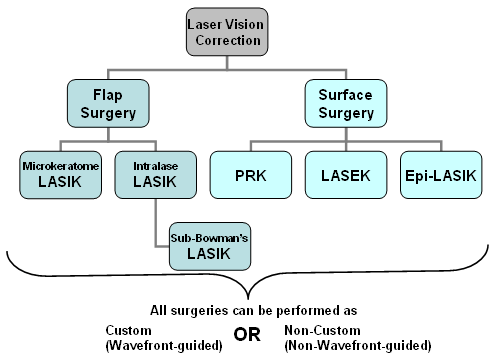
When considering vision correction procedures, many people often are contrasting SMILE to other popular options such as Laser-Assisted in Situ Keratomileusis and PRK. One of the key differences is that SMILE is a bladeless procedure that allows for precise tissue removal with a ultra-fast laser. Unlike LASIK, which creates a flap in the cornea, SMILE involves a small incision that results in less disruption of corneal nerves and a lower risk of complications such as dry eye, making it an attractive choice for numerous patients.
Photorefractive Keratectomy, or photorefractive keratectomy, is another alternative but has a longer recovery time compared to SMILE. SMILE surgery for myopia can provide faster visual recovery since it reduces the healing time and discomfort often associated with PRK. Patients who are worried about the inconvenience and extended recovery time associated with PRK may find SMILE to be a better fit for their lifestyle and needs.
Pricing is another factor to consider when comparing SMILE with LASIK and PRK. While SMILE laser eye surgery pricing may be comparable with that of LASIK, some patients may find it slightly higher based on the technology used and the surgeon's expertise. Understanding the specific benefits and potential results of each procedure is crucial for patients to decide not just the cost but also the best choice for their vision needs.
Cost and Healing Information
When thinking about SMILE laser eye surgery, one of the primary aspects to evaluate is the price involved. On the whole, SMILE surgery price can range from 2,000 to $3000 dollars per eye. This may differ based on the surgeon's expertise, the center's place, and the technology used during the surgery. It is also necessary to check if your insurance plan covers any part of the procedure, as some plans offer benefits for vision correction surgeries.
Recovery from SMILE eye surgery tends to be rapid and easy for most patients, with little downtime. Many patients notice an enhancement in their sight within a 24 hours or pair of days following the procedure, allowing them to go back to everyday activities relatively quickly. Full healing can take a couple of weeks, during which individuals are recommended to stay away from heavy activities and to adhere to post-operative care instructions provided by their eye doctor.
Before going ahead, those interested should have a comprehensive consultation to determine their eligibility for the SMILE procedure. Factors such as overall eye health, the degree of nearsightedness, and individual lifestyle play crucial roles in determining if someone is a candidate for SMILE eye surgery. Those who meet the requirements can anticipate a transformative experience that greatly enhances their quality of life.